
The Power of Words: How the Humanities Champion Literacy in the Digital Era
April 30, 2026
by Kelly Murray, Communications Manager
One of the most vivid memories I have from my 8th grade social studies class was learning about the signing of the Declaration of Independence. I can clearly remember my teacher, Mrs. Hart, standing in front of our class and saying that in that historical moment “the pen was mightier than the sword”. I’ve since come to learn that that exact phrase was first coined by English author Edward Bulwer-Lytton in 1839— well after the Declaration was signed and the American Revolution was won—but the idea that writing was as effective, if not more so, than violence during that time in the establishment of America certainly rings true.
Of course, this idea is not meant to diminish the contributions of those who fought and died during the American Revolution but instead cast a light on the impact of literacy—then and now. For me personally, I think that memory is so vivid partly because for the first time, as a young girl who loved reading and writing, I felt empowered. Through that lesson, I learned that my skills held purpose and could make a greater impact—even going as far as establishing new nations. While I didn’t have any revolutionary aspirations at age 13, I couldn’t help but feel awe in that moment and a sense of clarity.
As the Communications Manager for Delaware Humanities, I’m privileged to use writing every day in my role as I am tasked with telling the organization’s story, among my other responsibilities. Words—particularly the reading and writing of them — have carried me through many life experiences, jobs, pitfalls, and accomplishments. As such, I often reflect on words, their usage, and how they impact our everyday lives. Since that inspiring social studies class, our society has undergone a revolution of its own, albeit a digital one. The Information Age of the 1990s and 2000s has ushered in a new era of digital communication, and with it an increasingly rapid exchange of words and ideas, that is presently shaping our human experience.
So, how do we navigate this? This is where the humanities can help.
Whether providing a space for open conversations, promoting literacy and learning, or fostering greater connection among members of a community, the humanities can serve as an anchor amidst the rough waters of this new digital era. Humanities-based learning offers a way to put down our devices, interact with others, and help us better understand the human experience. Regarding literacy, Delaware Humanities offers several programs, resources, and special events that aim to improve literacy and foster engaging environments that strengthen our local communities.
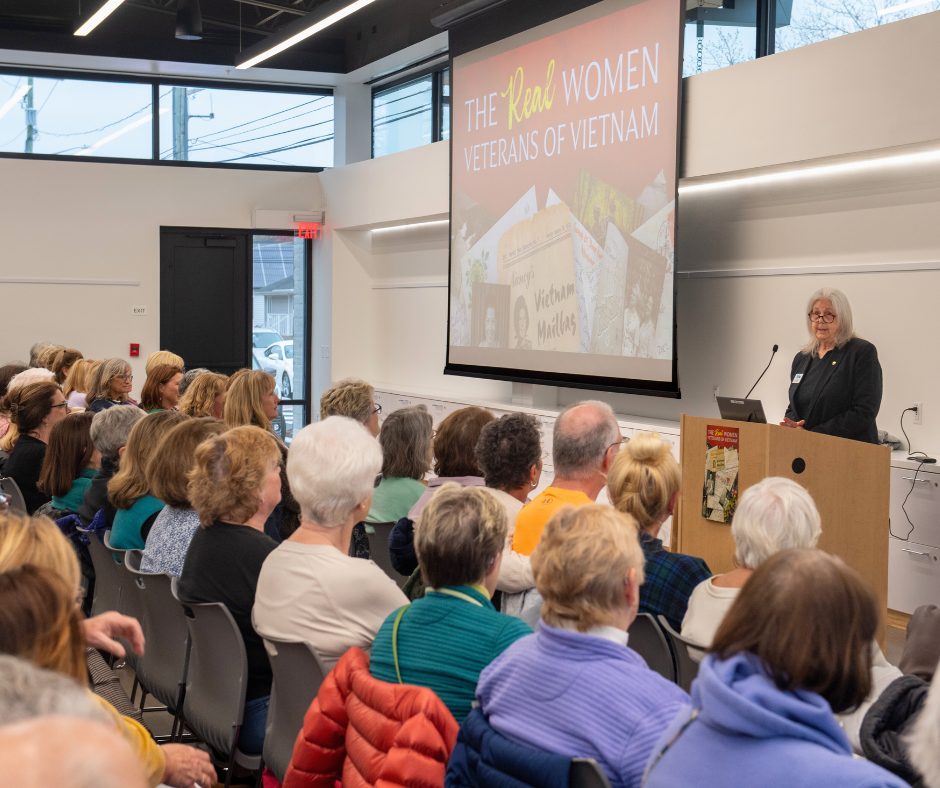
Speakers – As our longest running program, our Speakers series invites experts to give public talks and classroom presentations on history, culture, literature, ethics, nature and everything in between. These public talks are free to attend and are hosted at various locations throughout the state. While the majority of our Speaker programs currently explore topics of history, we offer several programs that explore topics of literacy including Fake News, Fraud, and Honest Error: The Psychology of Belief by Joan DelFattore; Freedom Poems: Conversation with a Poet by Sidney Jacobs; The Right to Lie by Joan DelFattore; and What You Never Knew About Nancy Drew by Lora Englehart.
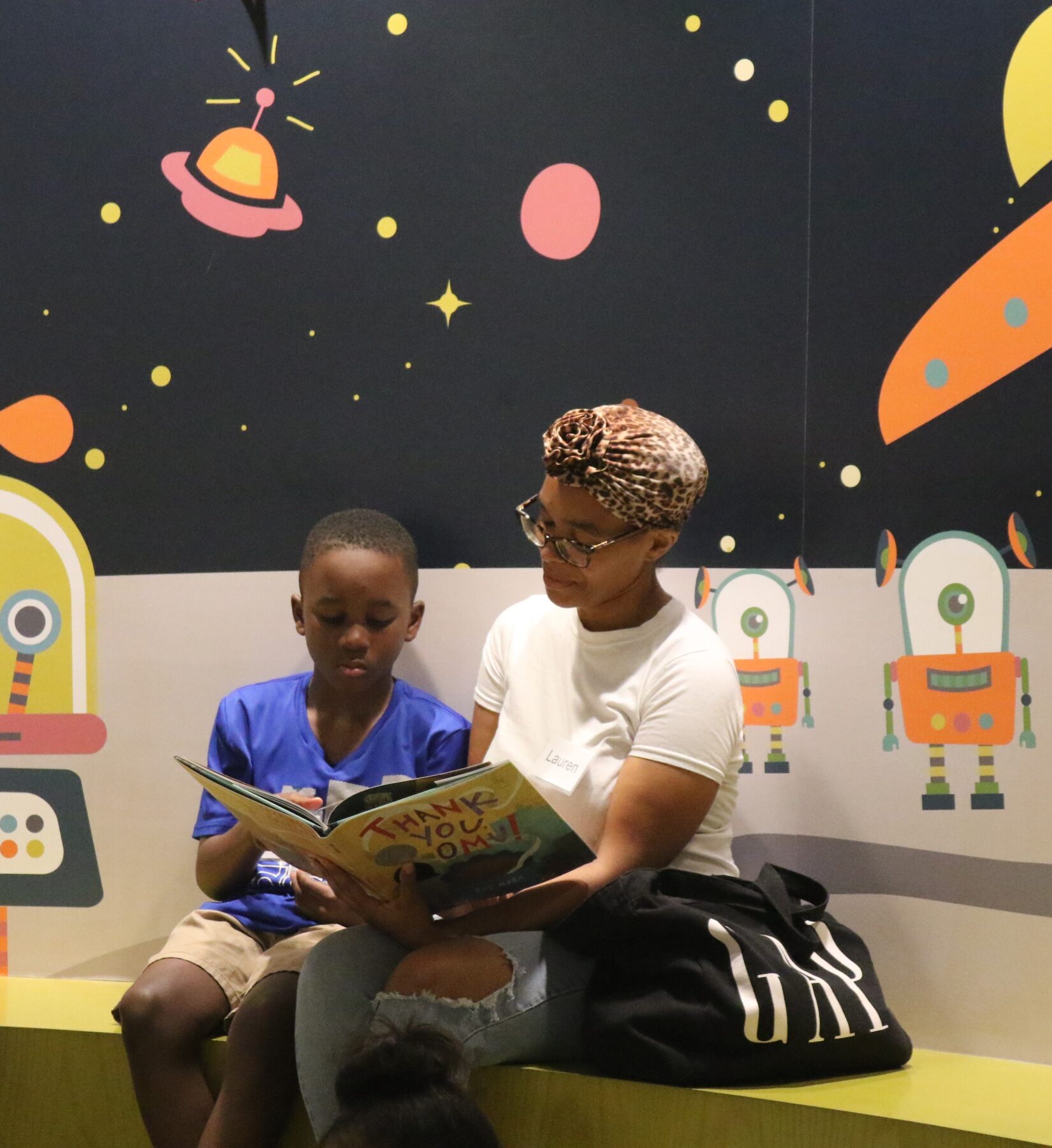
Prime Time Family Reading – Designed for 6 to 10-year-old children and their families, Prime Time offers a six-week-long session of weekly family reading nights hosted at a local Delaware library. In addition to shared reading time, families enjoy a complimentary dinner and two books each week to take home to their personal libraries. Each session supports learning through discussions focused on open-ended questions about the books and encourages participants to form their own opinions, to suspend judgment, and to learn that, in life as in literature, there is rarely one simple “right” answer.
Resources – Currently available on our website, our Resources page offers a digital toolkit free to teachers titled Media Matters: A Toolkit for Understanding and Assessing Sources. This toolkit helps students grades 7-12 to critically analyze media to better navigate the world today. The colorful 26-page booklet covers different types of sources, how to critically analyze sources, common forms of media, and includes an interactive activity.
Festival of Words – The Festival of Words is a free, annual event for secondary students, librarians, and teachers held at Woodbridge High School in Greenwood, Delaware. The festival was developed to encourage a love of reading and writing by introducing young adults to diverse authors and ideas. This year, the Festival of Words is scheduled for Saturday, May 9 and will include a special presentation of the Delaware Humanities Speaker program, The REAL Women: Veterans of Vietnam by Nancy E. Lynch. Registration is required. Register here.
Whether you attend one of our events or access the resources on our website, we hope that these humanities-based programs offer a way to strengthen literacy in your Delaware community. Especially as we celebrate the 250th anniversary of the signing of the Declaration of Independence this year through Delaware 250, we are reminded of the power of words, language, and history and how they impact our lives as Americans. And who knows? One of these programs may just inspire a future writer or humanities professional.
To learn more about our literacy-focused Programs, visit the webpage here. If you have any questions about the Programs or events listed above, please reach out to us at info@dehumanities.org.