
Sharing Indigenous Knowledge: Voices of the First Peoples with the Nanticoke Indian Tribe
August 27, 2026
by Rebecca Olsen, PhD, Senior Programs Officer
Last month, we had the pleasure of joining the Nanticoke Indian Tribe in welcoming folks from across Delaware to the Nanticoke Indian Museum for our Voices of the First Peoples program. We developed Voices of the First Peoples as part of the national initiative By the People: Conversations Beyond 250, which presented us with the opportunity to create unique programming focused on Indigenous voices and traditions. In partnership with the Nanticoke Indian Tribe—and a little help from our By the People partner the Delaware Teachers Institute —we planned a unique experience at the museum that would blend oral history, museum collections, and storytelling in an intimate setting.
Having been welcomed into the museum by Tribal Elder June “Morning Star” Harmon Robbins, the group—mostly educators from all different corners of Delaware—made their way into a room packed with chairs where, nestled amongst the museum’s collection of books and display of animals, they settled in for an afternoon of knowledge sharing.
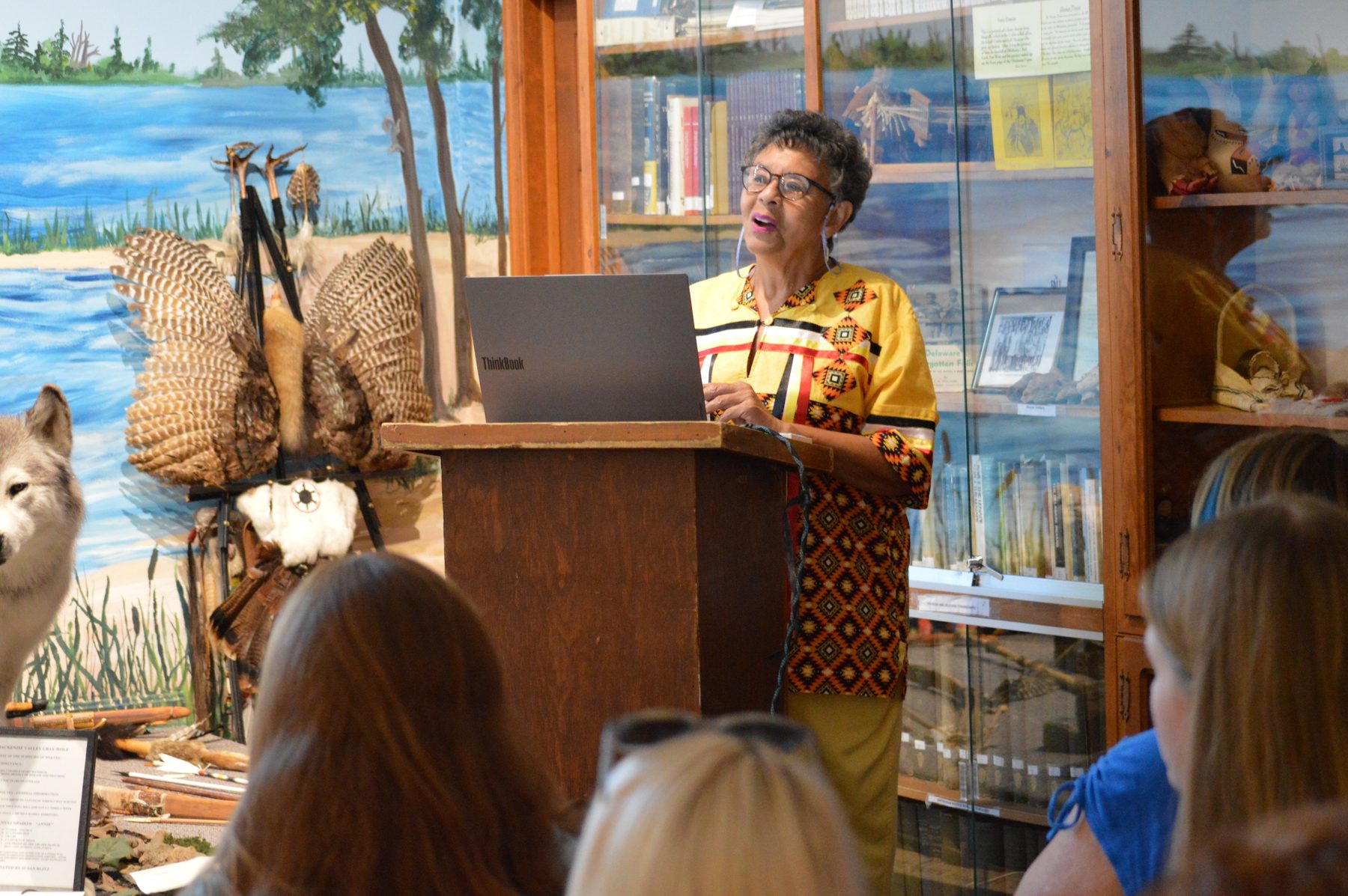
Dr. Bonnie Hall kicked off our gathering by walking us through the past and present of the Nanticoke Indian Tribe. A member of the Nanticoke Indian Tribe, Bonnie currently serves as Tribal Historian, helping preserve, document, and share the history and legacy of her community to ensure that Nanticoke stories and traditions remain accessible for future generations. Bonnie first shared stories of tribal history—accompanied by a rich collection of photographs from the Tribe’s past. She then brought us up to the present with the Tribe’s recent work, including collaborations in community spaces such as Tidewater Park, where play equipment incorporates Nanticoke culture and storytelling, and the construction on the Tribe’s expansion and renovation of the Cultural Community Center and Museum which is currently underway.
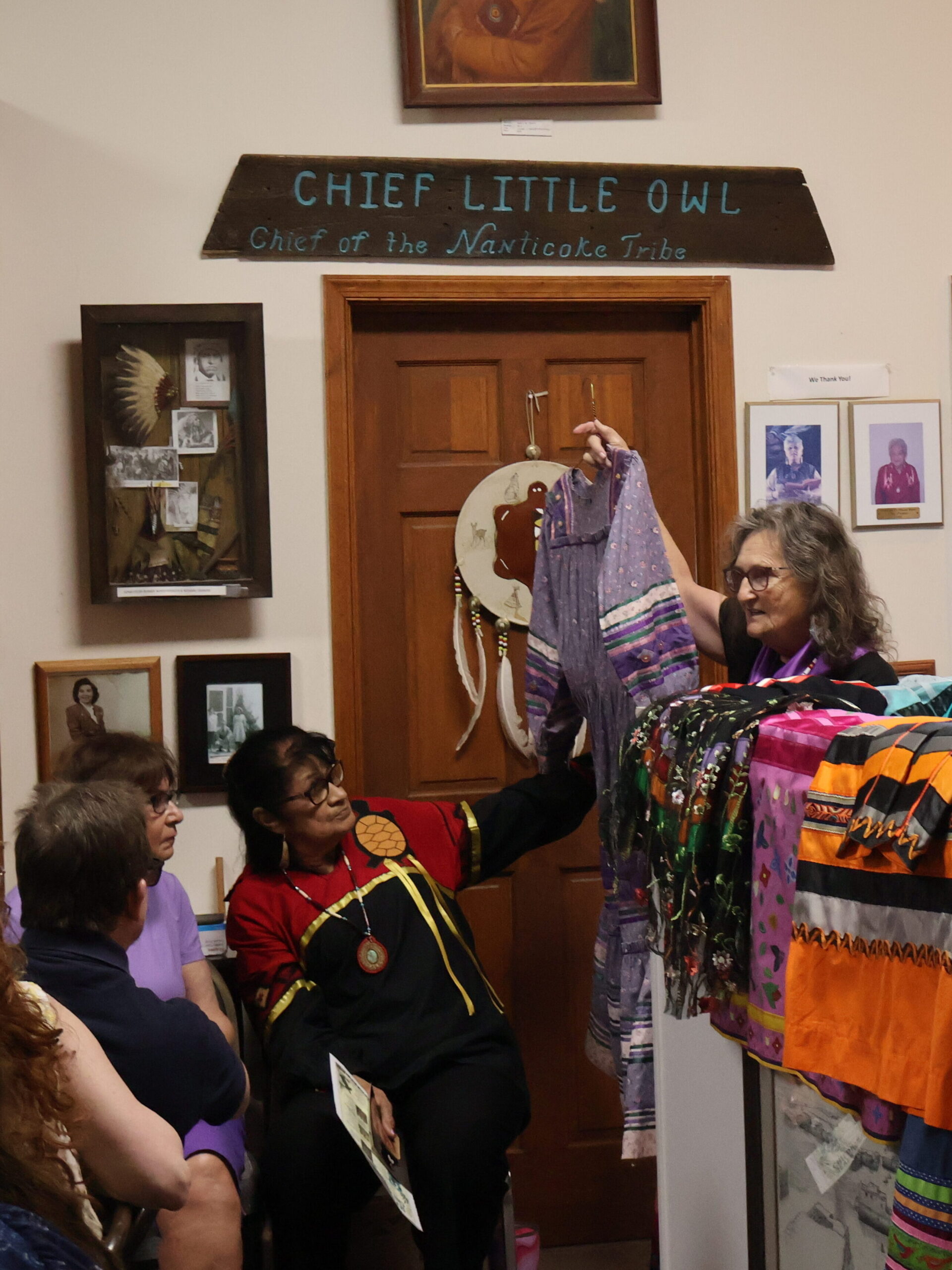
Next to the stage was Ragghi Rain, whose gifts as a Storyteller seemed to bring the world to life within the museum’s room. Through her work in community engagement and cultural education, Ragghi works with children, youth, adults, faith communities, Tribal Nations, museums, camps, and universities. “Storytelling is one of the oldest ways Indigenous Peoples have carried knowledge, history, values, and responsibilities from one generation to the next,” writes Ragghi. “Long before books were written, stories taught children how to live in a good way, reminded communities of their responsibilities to one another, and preserved the wisdom of their ancestors. Traditional teachings are not simply lessons from the past; they are living teachings that continue to guide us to how we care for Earth, Water, one another, and all our relations.” Blending traditional teachings with lived experiences, Ragghi narrated Indigenous stories such as the creation story of Turtle Island (North America) and oral histories including the significance of ribbon skirts. Her vivid retellings, complete with voices, movement, and a sense of characters appearing before your eyes, captivated our group—some of whom even wrote to us after the event to tell us just how much they enjoyed the storytelling.
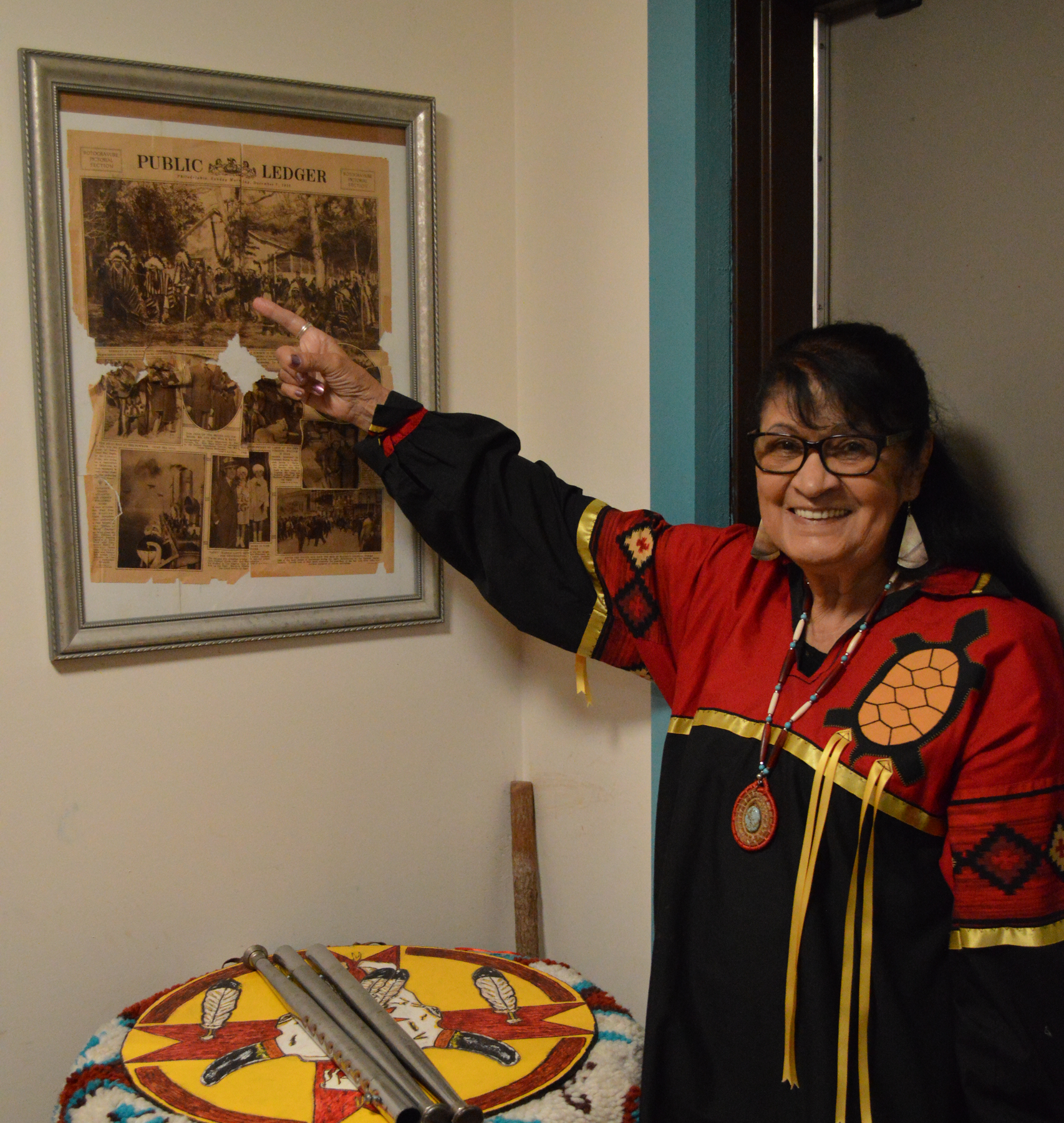
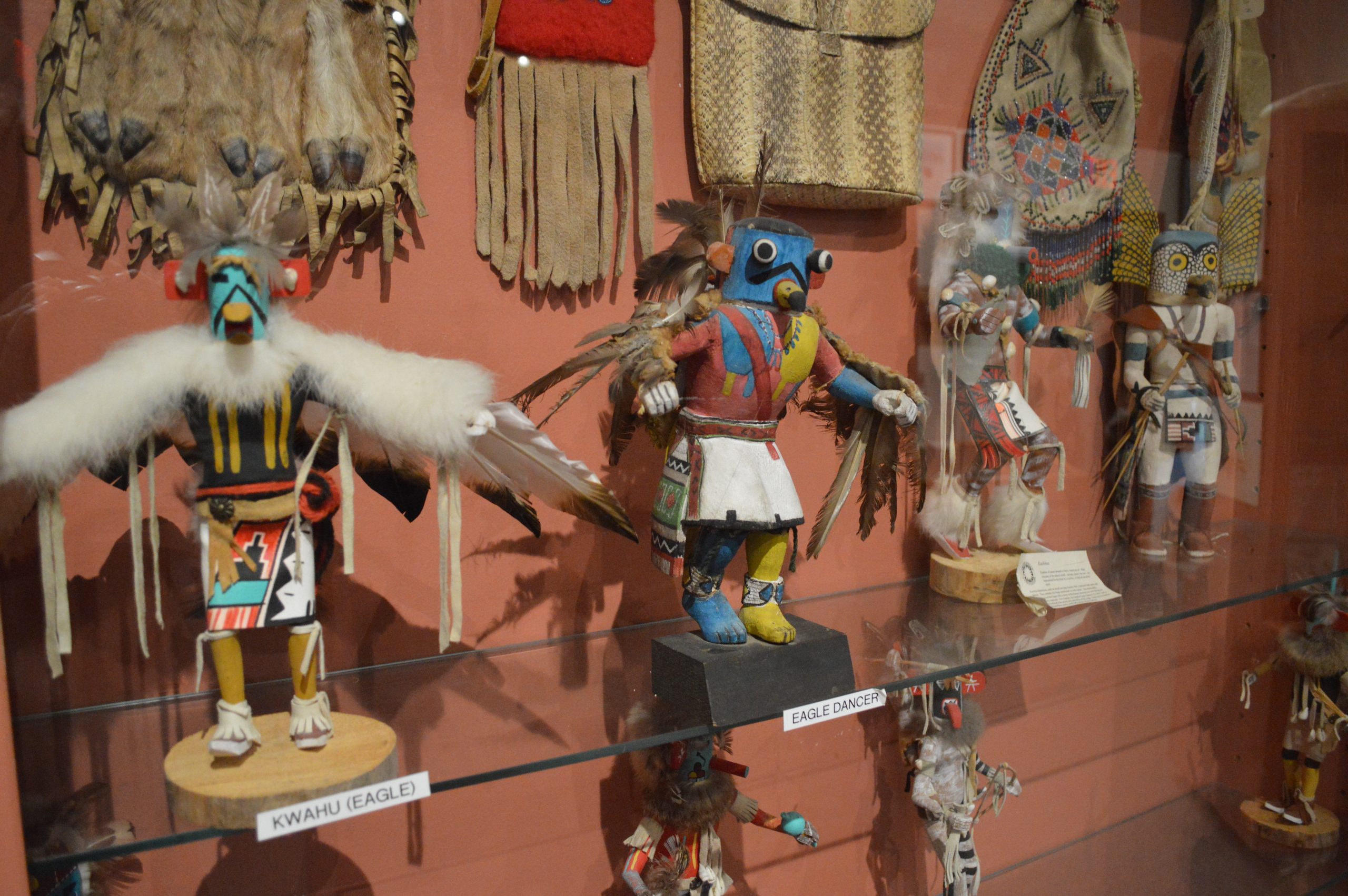
After Bonnie and Ragghi’s presentations, we moved into the museum’s gallery, which teems with items. Thousands of objects are on display, including stone tools, arrowheads, historical clothing, ceremonial regalia, hand-woven baskets, pottery pieces, jewelry, beadwork, dolls, and much more. June “Morning Star” Harmon Robbins gave many attendees a personal tour of items in the gallery, sharing objects’ stories and personal connections. Many of her ancestors created handicrafts or are pictured in photographs that are displayed in the museum.
Connecting people is one of our core values at Delaware Humanities. We were thrilled to welcome K-12 teachers, librarians, history professionals and many others—educators from all types of Delaware organizations and institutions—looking to learn from Indigenous voices and make connections between their own local communities and the Nanticoke Indian Tribe. We extend our heartfelt thanks to Bonnie, Ragghi, and June for their hard work creating the event and generosity in sharing their knowledge with our group at this special Voices of the First Peoples program.
In just two weeks, on September 12th and 13th, you can join the Nanticoke Indian Tribe for their 48th Annual Nanticoke Indian Powwow. With dancers, drummers, native foods, and crafts, the powwow is an unforgettable weekend here in Delaware. We hope you’ll join the Tribe then—and perhaps even make it an annual tradition.
By the People: Conversations Beyond 250 is a series of community-driven programs created by humanities councils across the United States, its territories, and the District of Columbia in collaboration with local partners. Together, these programs explore 250 years of the nation’s cultural life and imagine its shared future. The initiative was developed by the Federation of State Humanities Councils and the Smithsonian Center for Folklife and Cultural Heritage as a complement to the 2026 Smithsonian Folklife Festival.