
In Conversation with Will Thwaites, Director of “Crime & Parody”
September 29, 2026
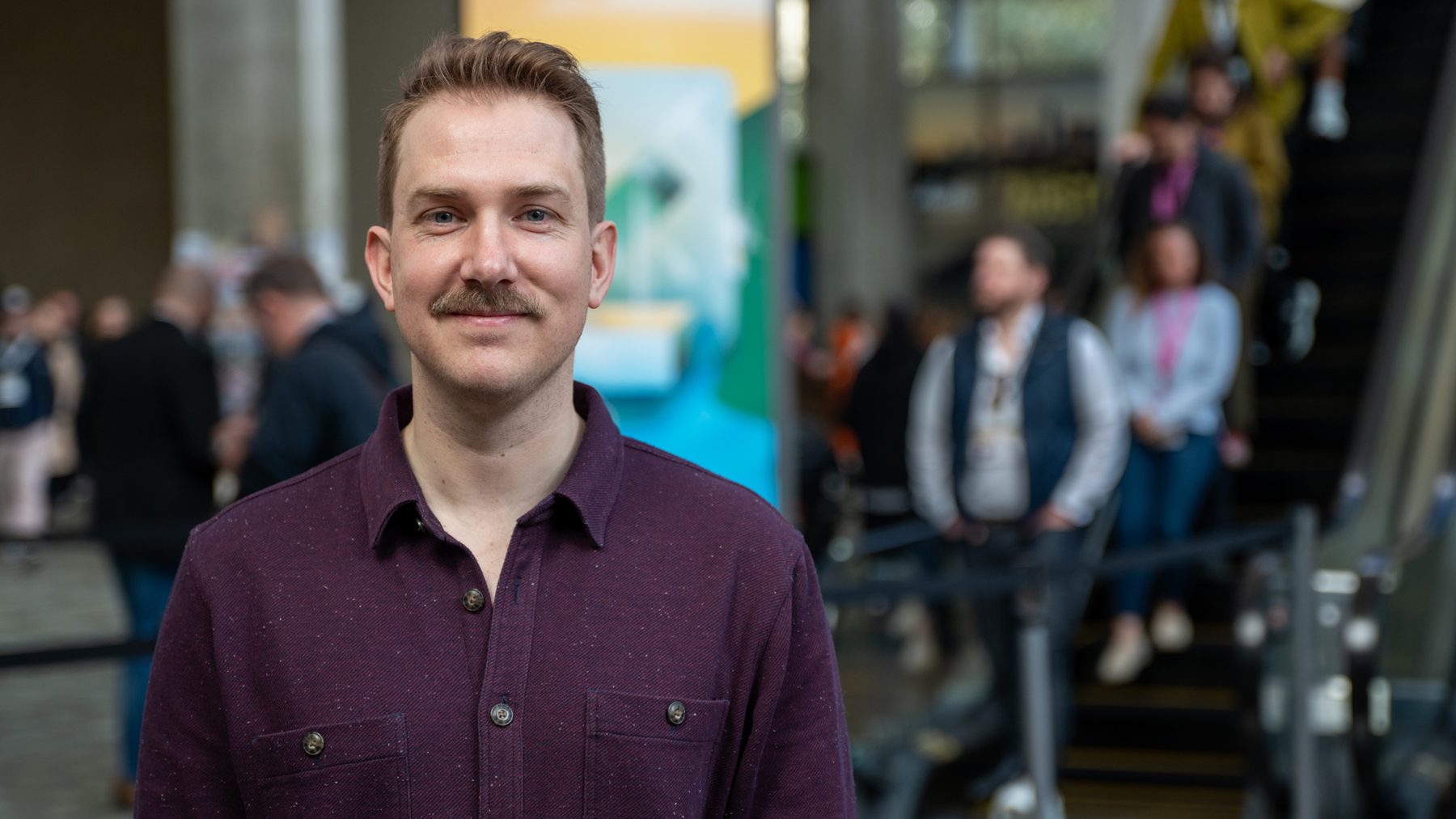
by Delaware Humanities Staff
In September 2026, Delaware Humanities Executive Director Michele Anstine held a Zoom conversation with Will Thwaites, director of the documentary Crime & Parody, in preparation for its screening at the Wilmington International Film Festival. The conversation was recorded, transcribed, and edited for length.
Michele Anstine: Hi Will. It’s nice to see you. I’ll start off by introducing myself. My name is Michele Anstine, and I’m the Executive Director of Delaware Humanities.
Will Thwaites: Hi Michele! Thank you for doing this. I’m excited to get into this conversation. As you know, I’m the director of Crime & Parody.
MA: So tell me, Will, What is Crime and Parody all about?
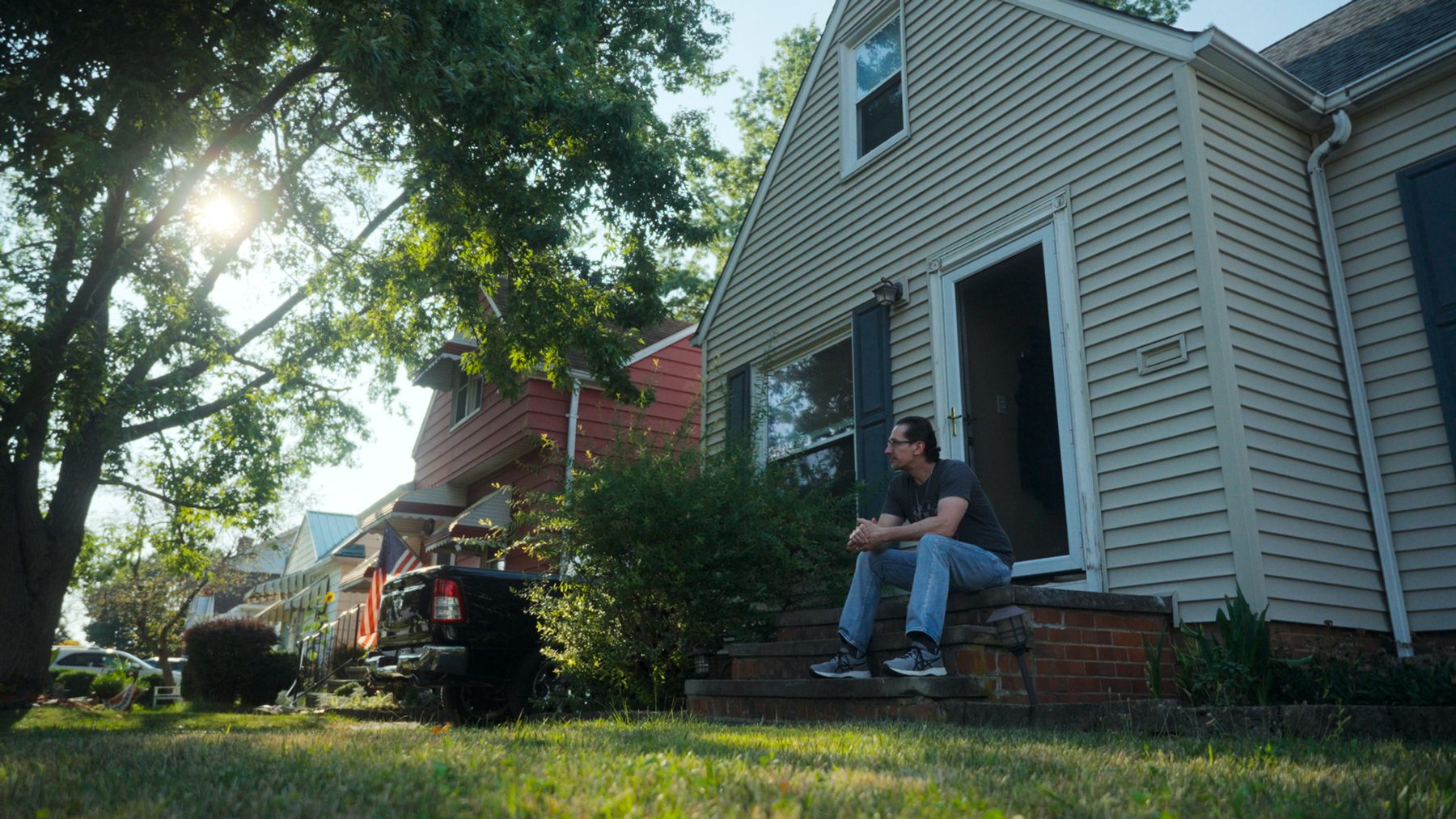
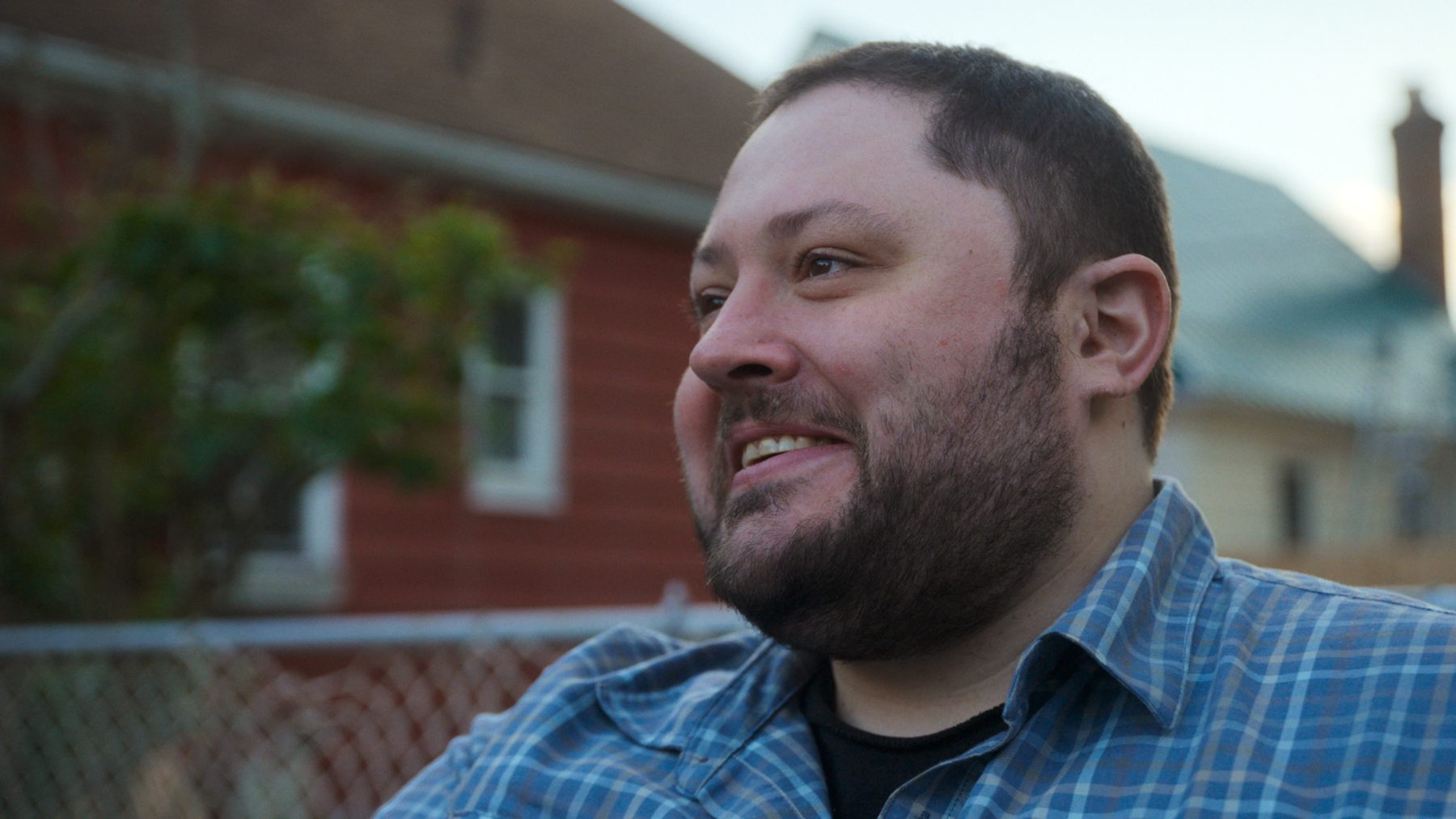
WT: So, it’s this feature-length documentary about an amateur comedian Anthony Novak from my hometown, Parma, Ohio who made this fake Facebook page making fun of the local police department. He posted these six, satirical jokes online, and the page was up for less than 24 hours. The police ended up kicking in his front door with a SWAT team, threw him in county jail for four days, and they put him on trial for a felony that carried a maximum sentence of up to 18 months in prison.
The movie starts off as this sort of stranger-than-fiction story about an amateur comedian fish-out-of-water type in county jail, but it ultimately drives to some really consequential ideas about free speech and holding the government accountable and democracy at its core. The film ultimately drives to a second story, a much more serious story, about a man named Omar Arrington-Bey who died in police custody while in jail. And in the case of Omar, the officers were let off the hook for the same reasons that the officers were let off the hook in Anthony’s case.
So the film really operates as this Trojan horse, a movie that starts off about something silly, a comedian thrown in jail for six jokes, but ultimately raises these really important questions about what the United States is as a country, and our relationship with the government. The idea is that audiences will be drawn in by the funny stuff and be left thinking about these much more consequential issues.
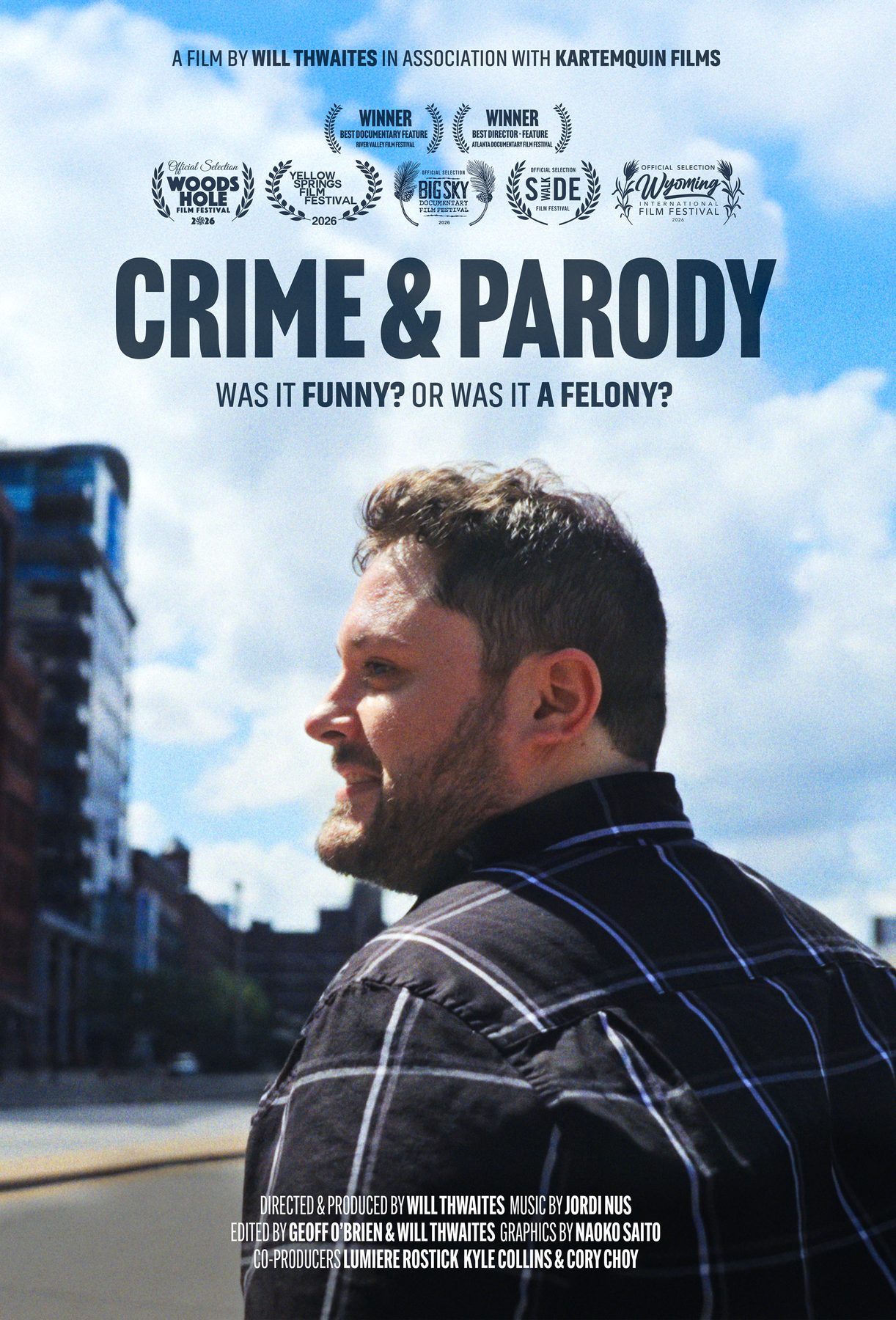
MA: I’ve watched the film, and I really thought it was very thought-provoking. I’m interested to ask you what was it about this particular story of this particular person that made you want to dig a little bit deeper and really follow that story?
WT: Yeah, absolutely. I mean, I’ve had an interest in comedy for a decade now, I’m a failed comedian that couldn’t hack it at stand-up, that couldn’t hack it at improv, but always took an interest in comedians, because oftentimes they’re tackling the most serious issues in our society, but they’re doing it with levity and humor and surprise. So, anytime I stumble upon a comedian that’s doing something that’s a little bit of a flashpoint, I get interested. Comedy meets drama in a lot of ways. It just so happened that this story of Anthony Novak was taking place right in my backyard, my hometown of Parma, Ohio.
When I first started working on the film, I thought it would just be funny. I thought it would be about this silly little comedian from Parma, Ohio, making fun of the government and getting himself in a pickle, but as the movie shows, the issues at the heart of what Anthony went through tap into something much deeper about democracy and the way that we engage with the government, and how we try to hold the government accountable when they violate our rights.
MA: Well, I think it was a bit of a brilliant entry point, because yes, humor is something that I think we relate to. The film then shifts to a more serious tone when the subject of qualified immunity is addressed. I’m curious to know, what are your feelings about this idea of qualified immunity, and how it’s being applied in our society?
WT: Yeah, totally. One of the things that the movie tries to do is look at this issue, qualified immunity, that’s kind of idiosyncratic, that not a lot of people would have heard about it, that it’s sort of tough to understand, but Anthony brings you into this idea of qualified immunity in a humorous way. Like, you’re brought into such a nerdy topic through such an accessible medium, which is comedy and a silly thing that a comedian did. But yeah, qualified immunity is an issue that touches people from all walks of life, because it essentially comes up in many cases where individuals try to sue the government for violating their rights. So [for example], that could be their First Amendment right to free speech, or it could be their Fourth Amendment right to no illegal search and seizure, and so this thing, qualified immunity, comes up in tons of cases.
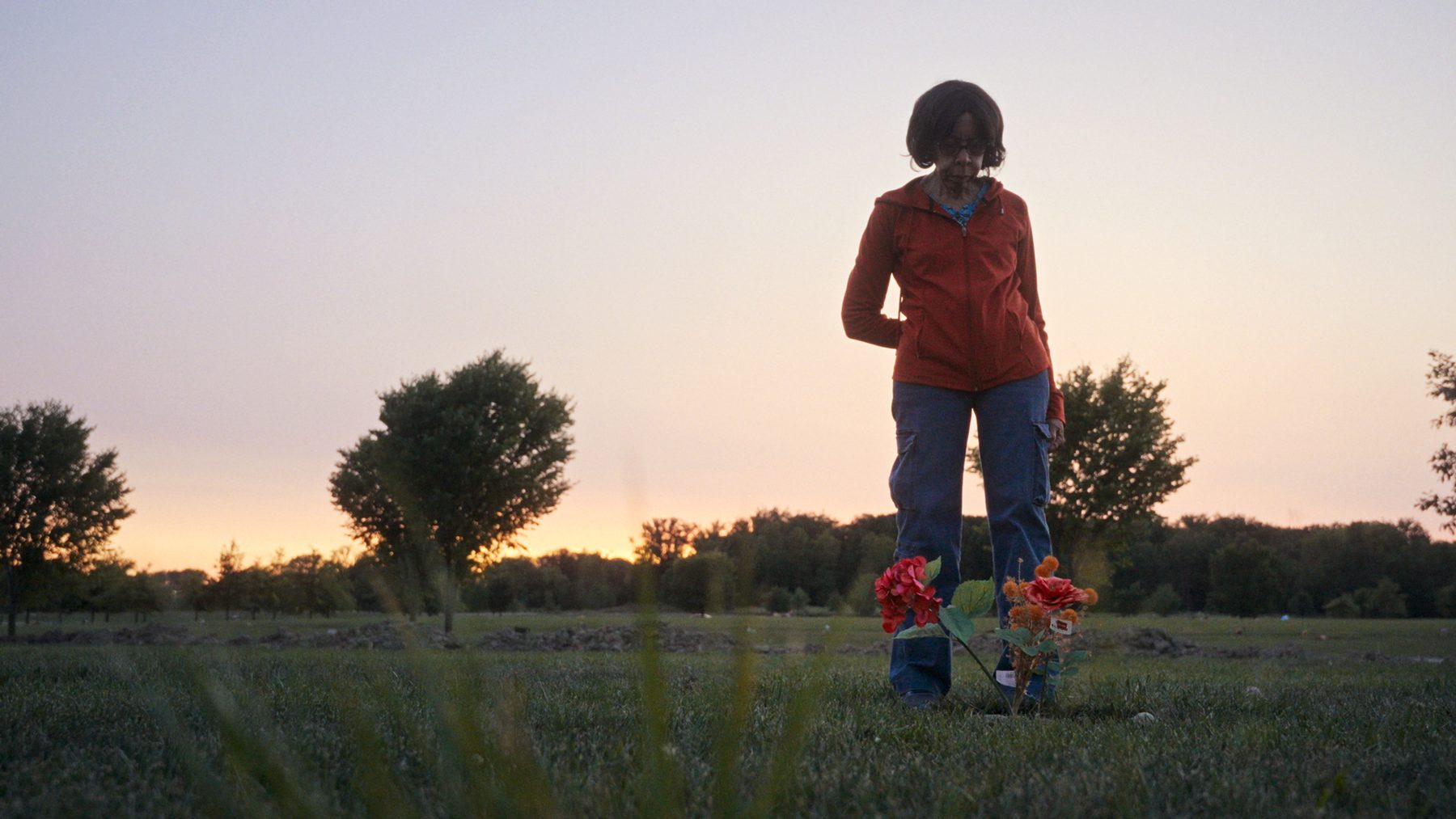
And the weird thing about it is…It’s sort of the default. So, it’s really challenging whether you’re Anthony Novak or Omar Arrington-Bey, who died in police custody. [Arrington-Bey’s] family, who tried to get justice for him after that incident occurred, and Anthony — both of those situations, a low-stakes case and an incredibly high-stakes case here — run up against this issue of qualified immunity, and it just so happens that it’s really hard to vindicate your constitutional rights when you’re up against such an idiosyncratic legal doctrine.
MA: Understood. Did you find it difficult to find the balance between the two stories?
WT: Yes and no. On the one hand. Yes, it was a three-year process of making this film. And a lot of those three years were spent on discernment: “Can I combine a story about a silly comedian thrown in jail, and a man who lost his life at the hands of police? Can I put those two stories into the same film?” And so, there’s a lot of late nights, and a lot of…fraught conversations and nerve-wracking showers where I wonder, like, can I really do this thing?
On the other hand, I’ve got some serious training with this. I started my career at a company called Kartemquin Films that’s famous for Hoop Dreams and Minding the Gap and 50-some-odd other social issue documentaries over the past 60 years. What they’re really good at is taking on super thorny topics like this one and finding really elegant ways to tell those stories. So, while it was challenging to try to put these two disparate stories together in one film, I had really great partners in Kartemquin that made it much easier to make that possible.
MA: Understood. I think that [Delaware Humanities] finds with the work that we do, and especially in conversation making, that it can be difficult, and we would say, in many ways necessary to have those difficult conversations. But it’s tough to navigate when is the time to go forward, and when is the time to pull back a little bit. So, it sounds like it’s wonderful to have that partner to help you navigate that space to tell this really important story that I think, again, works on multiple different levels.
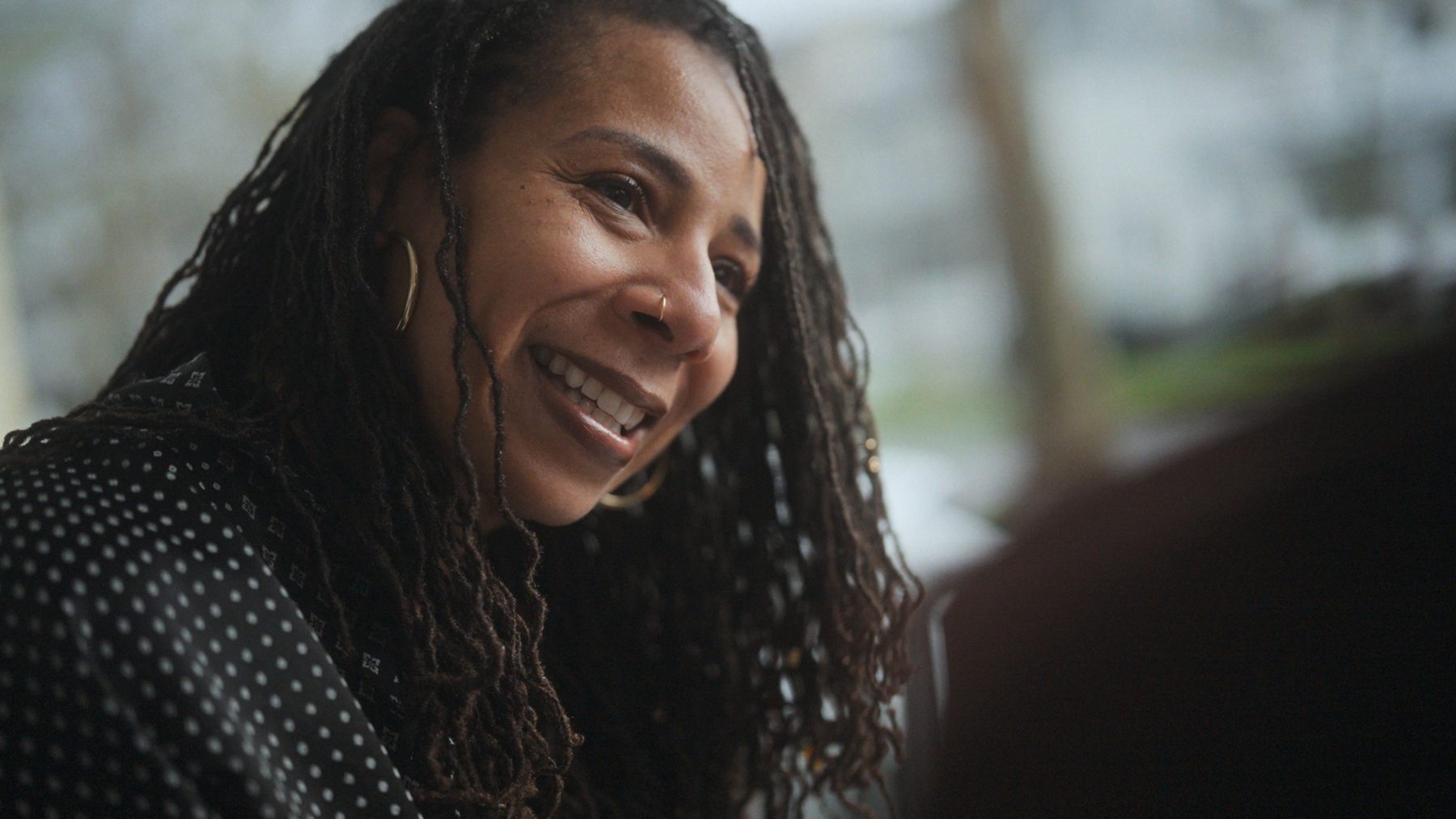
WT: And there’s one other thing that probably ties to your work, too, which is, like, there’s a really great moment that I love in the film where this woman, Ayesha Bell Hardaway, sort of says to me about this exact thing: can you really make a movie about Anthony and Omar together? And she says, “Accessibility is nice.”
It’s convenient that Anthony’s story is accessible, but who are we to not be uncomfortable and sad when something as tragic as what happened to Omar takes place? And so, Ayesha’s recommendation to me in the film, and more broadly, without cameras around, is to sit in that discomfort and grapple with what that means and what the takeaways should be. So, in a lot of ways, that is both a theme in the film and a theme in the process of me making the film. I imagine the same goes for you all at Delaware’s Humanities, like how can we sit in the discomfort of some of these things? Because to run is not a great thing, and to take them head-on is the only way to achieve progress.
MA: Yes, right. You know, I got my start in the history field and we definitely learn over time that you need to face the past in order to not repeat it going forward. Speaking of learning, can you tell me, what did you learn from making the movie?
WT: Sometimes when you’re making a movie, there’s a question that you’re trying to answer, and I think the question I was trying to answer with this film was, why does comedy matter? Here we have a story about a comedian thrown in jail for a joke. Why is that a problem? Why do we need to be protecting comedy? Why do we need to be protecting art and speech? And I think, ultimately, the answer to that question comes towards the very end of the film, and it’s a guy named Mike Gillis, head writer of The Onion, who sort of sums it all up for me.
What he says in the film is: “Comedy makes the work of understanding the world around you not feel like work anymore.” And that was the answer to the question that I had from the very beginning, which is, we shouldn’t be throwing Anthony in jail because poking fun at the local police department gets to the heart of what it means to be human. It helps us understand the flaws in government officials and the flaws in people that we might look up to and the flaws in the people that run our communities. So, I think that answer from Mike Gillis summed it all up for me and really answered that question. Why does comedy matter? It’s because it teaches us about the world around us without us feeling like we’re being taught anything.
WT: Okay Michele, now I’d like to ask you some questions about Delaware Humanities. The work that you do ties in nicely with Crime and Parody, because it’s a movie about expression and satire and art. Why do you think those things are important? Like, why are the humanities important?
MA: I think it comes down to this idea of… “How do we, as individuals, and also collectively as humans, navigate through life?” This idea that ‘we need to be thinkers’ was something that was very much the central focus during the creation of the National Endowment for the Humanities. [During its establishment in the 1960s], science was gaining by leaps and bounds, and while that is important, the idea that every single one of us has to be a critical thinker, and that we have to be able to work individually, but also collectively, really rang true for society.
Essentially, you know, the academic approach is that [the humanities ] are a collection of disciplines or subjects such as history, literature, ethics, law, philosophy that all help to tell us a little bit about what it means to be human. The work that we do is focused on connecting Delawareans, and particularly for us, Delaware organizations that do humanities work like libraries, museums, historical societies, but also, community centers and arts organizations.
We’re really trying to bring the humanities to every community in the state of Delaware, and we do it in our own Delaware way. I think that the beauty of the humanities councils is that, you know, who better to know what is going to work in each state, or jurisdiction than the people who actually work there, live there, and are part of the community. So I think, you know, this is a big part of why we felt that Crime and Parody was such a good match for us. I mean, at its heart it is a story about the human experience, but it’s also a story about how humans interact with this big, important thing in our lives, which is our government, and the governmental systems that exist. And that is all in the, realm of the humanities.
WT: It seems like at the heart of what you all do is, like, ideas and discussion. Why do you feel like free expression and being able to express your ideas is so important?
MA: I think it’s about, of course, our First Amendment rights, but I do feel like [free expression] is the only true way that we understand one another. It’s important to be able to express what we’re actually feeling and to not feel like we are in some way being suppressed by our government or any other force that could really keep us from speaking up, you know as long as we’re not doing anything that’s creating a danger for someone else.
I think it’s natural for people to have a variety of different experiences, right, that we’re drawing from. So, when we react to something, we react to it in different ways. I think the only way that we can truly understand why someone feels a certain way is to hear their thoughts, and then to consider that. I think of the old — is it from To Kill a Mockingbird — phrase of getting in somebody else’s shoes and walking around in them? Excuse me if I’m misquoting, but I do think that there’s a real value in that and I think there’s a value in being different, that we’re not all the same, and we don’t all view things in the same way. It’s a part of the spice of life. And to take it further—that’s the beauty of being part of a democracy, to have the opportunity to apply those different perspectives and be able to speak up.
WT: Another thing that comes to mind here, too, especially [in regards] to the work that you all do and the work that this film is trying to do is that art is a really great way to spark conversations. How do you feel that the arts and the humanities can help us think about the world differently?
MA: Oh, wow. That is a broad question and a good one. I think that it’s a little bit difficult for me. I don’t know if it’s difficult for you, because I can’t imagine life without the arts and also without the sort of thinking that goes along with the humanities. I really think they’re what makes life worth living. In my mind, the arts and the humanities are essential, because I think that, truly, what is life like if you don’t have the expression, that goes into the arts? The arts are a way to channel your emotions when you can’t deal with a really a strong feeling head on. And then also, how do you actually find a way to share space with people who have feelings that are much different than your own if you can’t step back and think a little bit about where they’re coming from? If you can’t, then try to understand different cultures. Arts, humanities, they are just essential. They are a part of life.
WT: It sounds like you’re saying arts and humanities help you understand your own experience as well as other people’s.
MA: Absolutely, absolutely.
WT: Michele, thank you so much for doing this. What a lovely time.
MA: Thank you, Will. It was my pleasure.
Video clips from this Zoom conversation are available on Delaware Humanities’ Instagram. Follow here: https://www.instagram.com/dehumanities/
Crime & Parody is screening on Saturday, October 10th at 3:00PM at Theatre N in Wilmington, Delaware as an official selection of the Wilmington International Film Festival. After the screening, Delaware Humanities will host a Q&A discussion with a panel of local leaders and scholars who will discuss the topics and themes addressed in the film. Admission is $15 per person and 75% of ticket sales will support Delaware Humanities. Tickets are required for entry. To learn more about the screening and/or purchase tickets, click here: https://wilmington.film/crime-and-parody/